

 Image 1 of 5
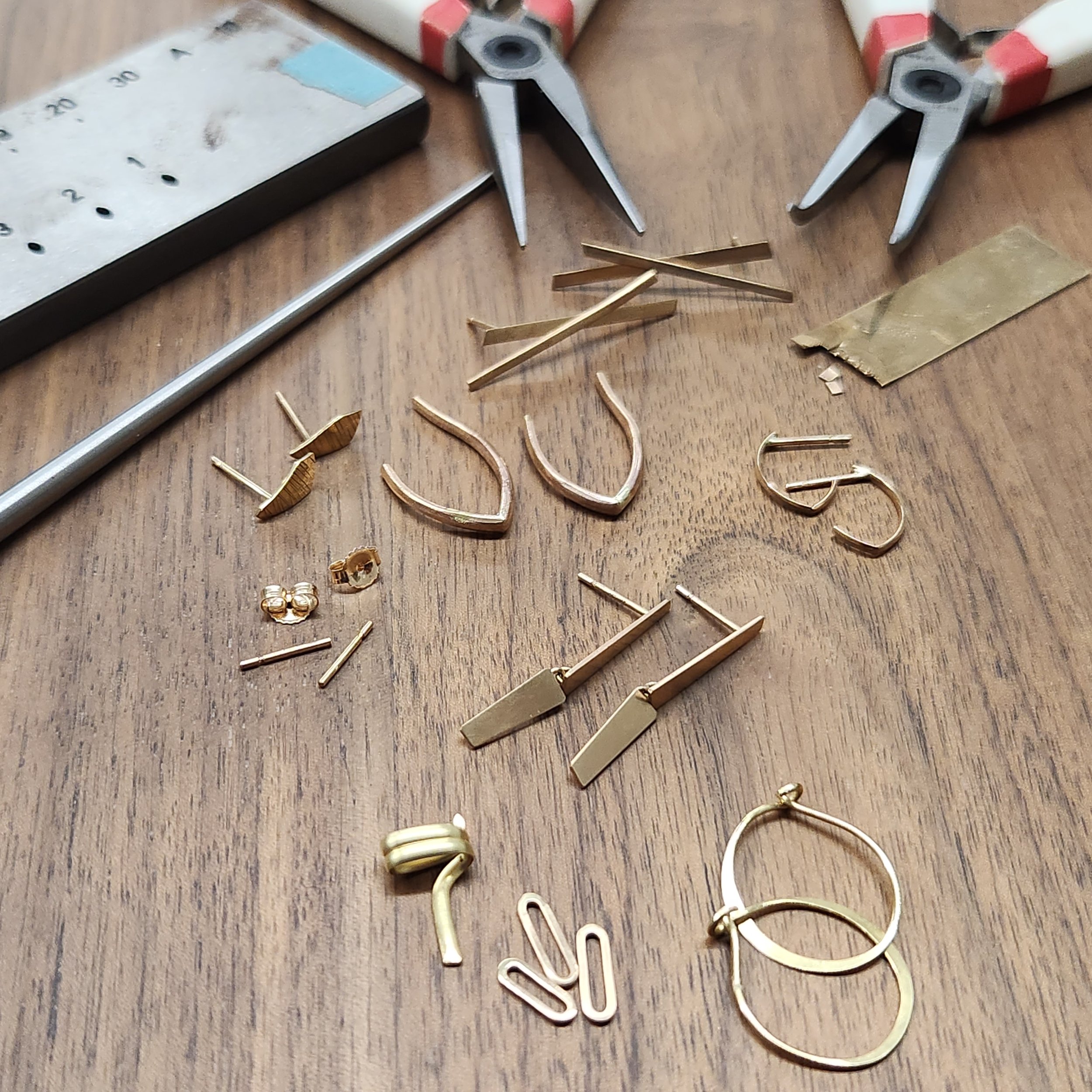 Image 2 of 5
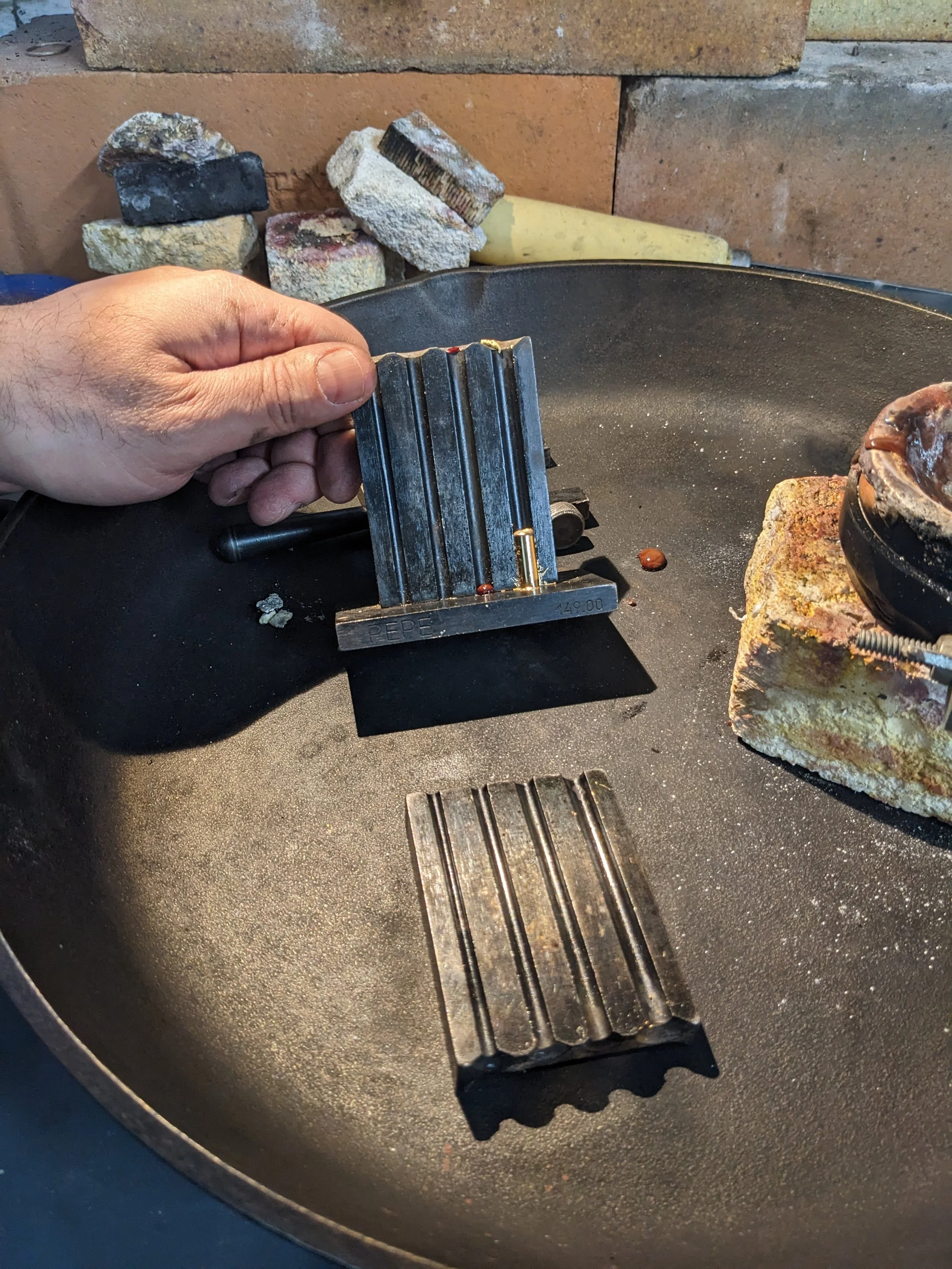 Image 3 of 5
 Image 4 of 5
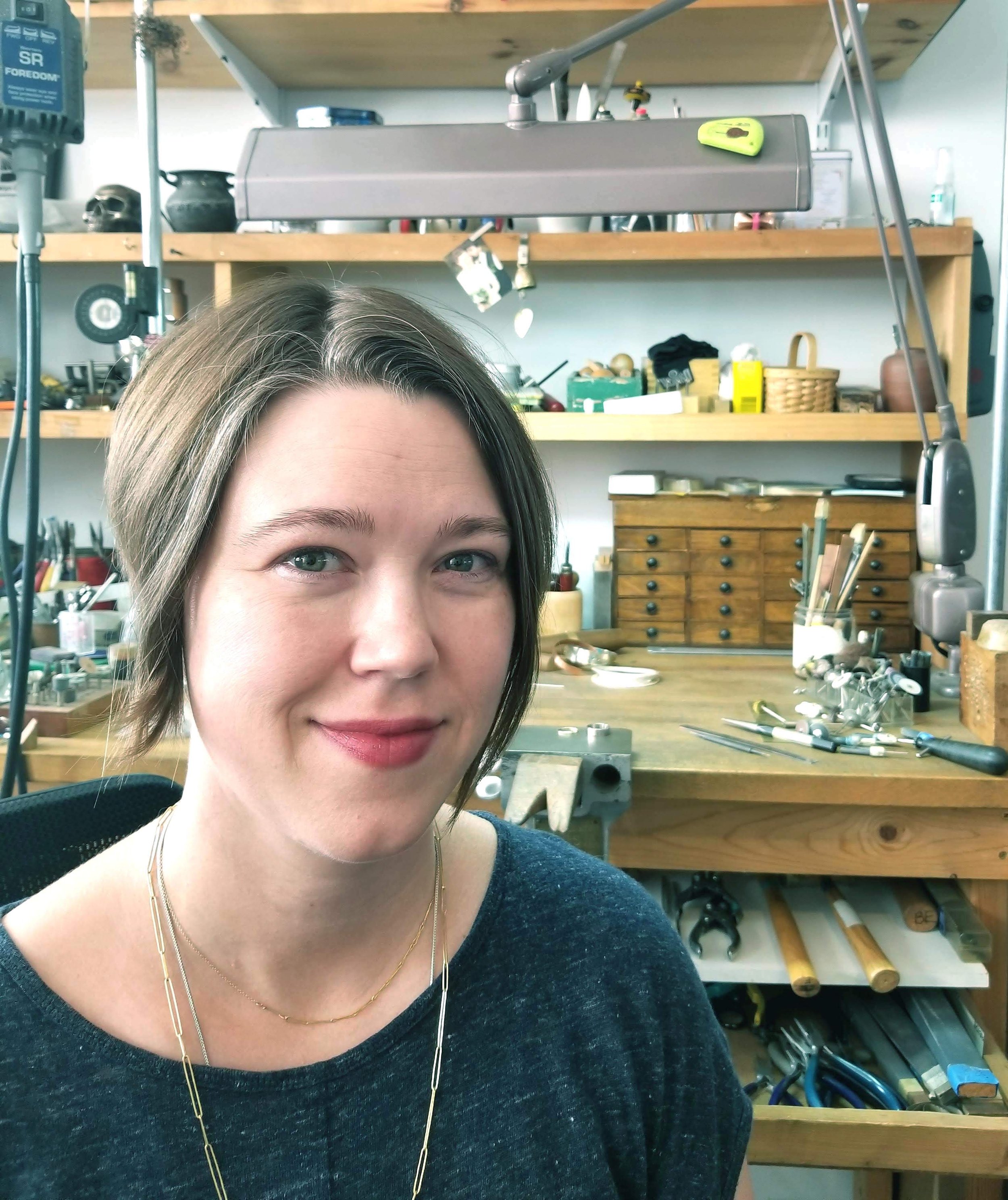 Image 5 of 5
Date: June 26, 27, & 28
Times: 10am - 6pm Fri-Sun w/ 1 hr lunch each day
Level: Intermediate
Membership Price: $400 (Members use discount code MEMBERS10 at checkout to receive 10% off)
Random:
This class is designed for yellow gold, but students are also welcome to work in sterling silver. **Please note brass and copper are not suitable for this course.** Students should have familiarity with metalsmithing and jewelry fabrication processes and be comfortable with torchwork. Previous goldsmithing experience is not required. Students are encouraged to bring their own fresh casting grain if they intend to supplement their scrap metal. Otherwise it can be purchased through the instructor and pricing will be determined at that time.
Workshop Description:
Old, broken, or unloved gold jewelry deserves a second chance. Let your scrap become a new element in your jewelry designs. In this 3 day workshop we will discover the potential sitting in your jewelry box. Bring your old jewelry pieces to review and remelt to refashion a new piece to wear. This course will begin by sorting through student pieces to consider for melting. We will use loupes to see what hallmarks or stamps may be visible, and scratch the surface on plating and gold fill. Clasps will be scrapped for the melt or saved for future use. Students will learn how to remove gemstones from their settings, which can be a more time consuming and tricky process than anticipated.
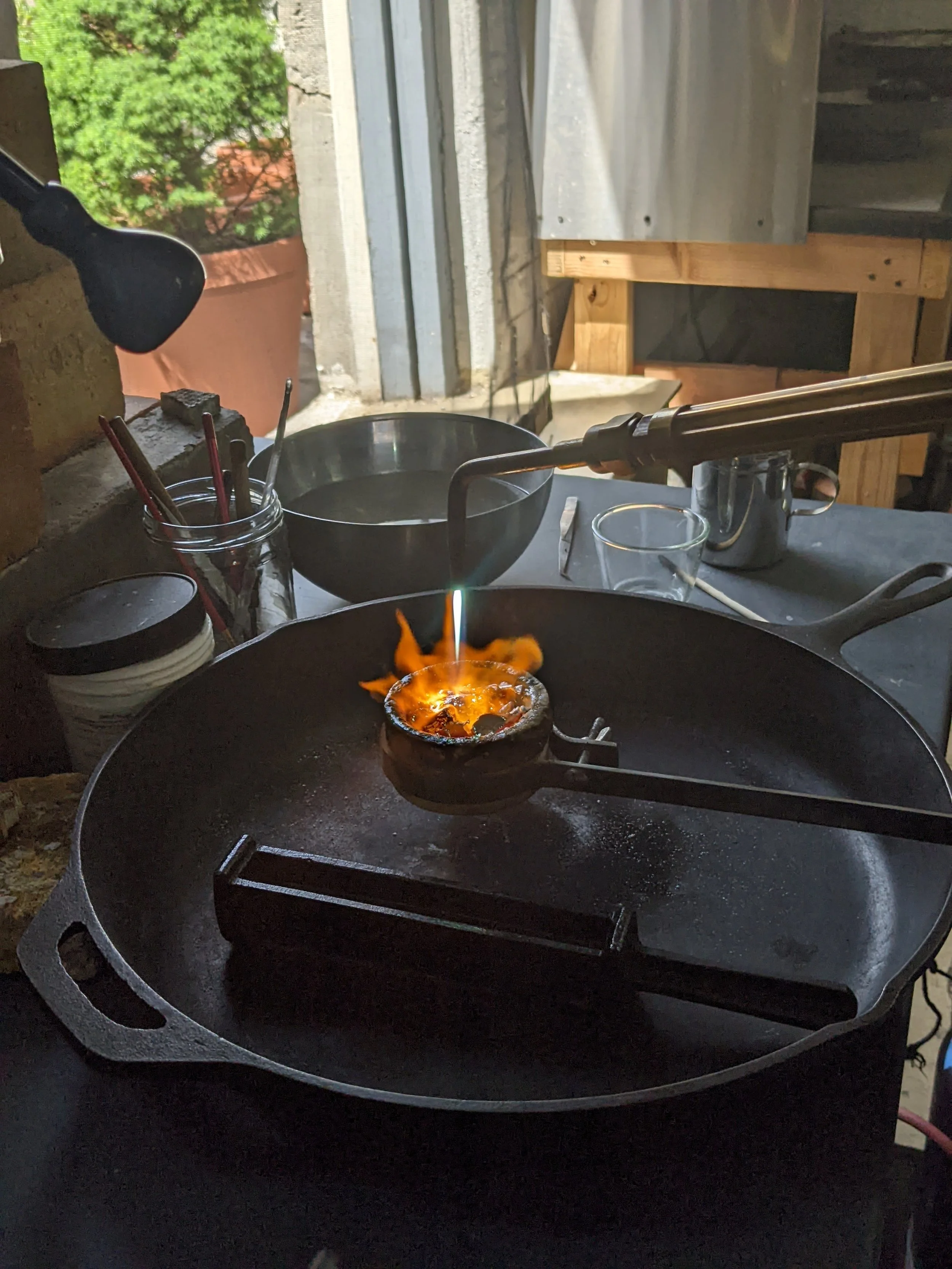
We will also discuss how to clean and prep your metal for melting. Once the metal is ready we will discuss alloying and the potential to change karating, freshen with new casting grain, and increase yield. Once a game plan is formed, the metal will be melted and poured into an ingot. This ingot will provide the new material for rolling into sheet or pulling into wire. If the resulting alloy isn’t suitable for these processes, we will change tactics and move onto simple direct casting methods, on a case by case basis.
The final piece that students will create will depend on the workability of their alloy, and the amount of material they have to design with. A simple ring, a pair of earrings, and a simple pendant will all be taught.
About the Instructor:
Trained as an artist, Erin is engaged in creative practices across disciplines with an emphasis on non-ferrous metalsmithing. Erin’s curiosity about materials and their cultural connections to the made world influences their art practice. Flatware and tools for the table, items that fit in the hand and reevaluate utility, are often subjects for investigation. Traditional goldsmithing practices from alloying, milling, forming and fabrication are worked alongside sculptural explorations in both jewelry and larger format objects.
From the physical act of making to that of wearing and handling, Erin finds jewelry and metalsmithing a captivating art form that encompasses her love of metal and interest in the human body’s relationship to objects. Erin has a great love for color gemstones and has worked extensively with them in her practice. This has fostered an ongoing interest in the mineral kingdom and the responsible sourcing of precious materials from across the globe.
Erin pursues teaching with the same interest and vigor as their investigations into making and showing art. She has taught extensively at schools including 92Y in NYC, University of the Arts in Philadelphia, Parsons School of Design, and currently at SUNY New Paltz and Brooklyn Metal Works. Erin’s artwork has been exhibited internationally and continues to be shown throughout the country.
Erin received an MFA in Metal from SUNY New Paltz, and a BFA in Metal from the University of Kansas. Since 2011 Erin co-owns and operates Brooklyn Metal Works and in 2019 opened Specific Gravity.
https://www.instagram.com/specific_gravity
https://www.instagram.com/brooklynmetalworks
https://www.instagram.com/noblecoral
Required Materials:
Old gold jewelry pieces, broken or unwanted, to be melted down (silver can also be used)
Silver solder
Optional Materials:
Small containers with tight fitting lids for holding scraps and sweeps
Tracing paper
Fine point sharpie marker
Sketchbook/notebook
Things to bring if you have your own:
Loupe or Opti-visors/magnification
Flex shaft attachments for sanding and polishing
Hand and Needle files
Sandpaper
Saw blades
Dust mask
Small Metal Ruler