

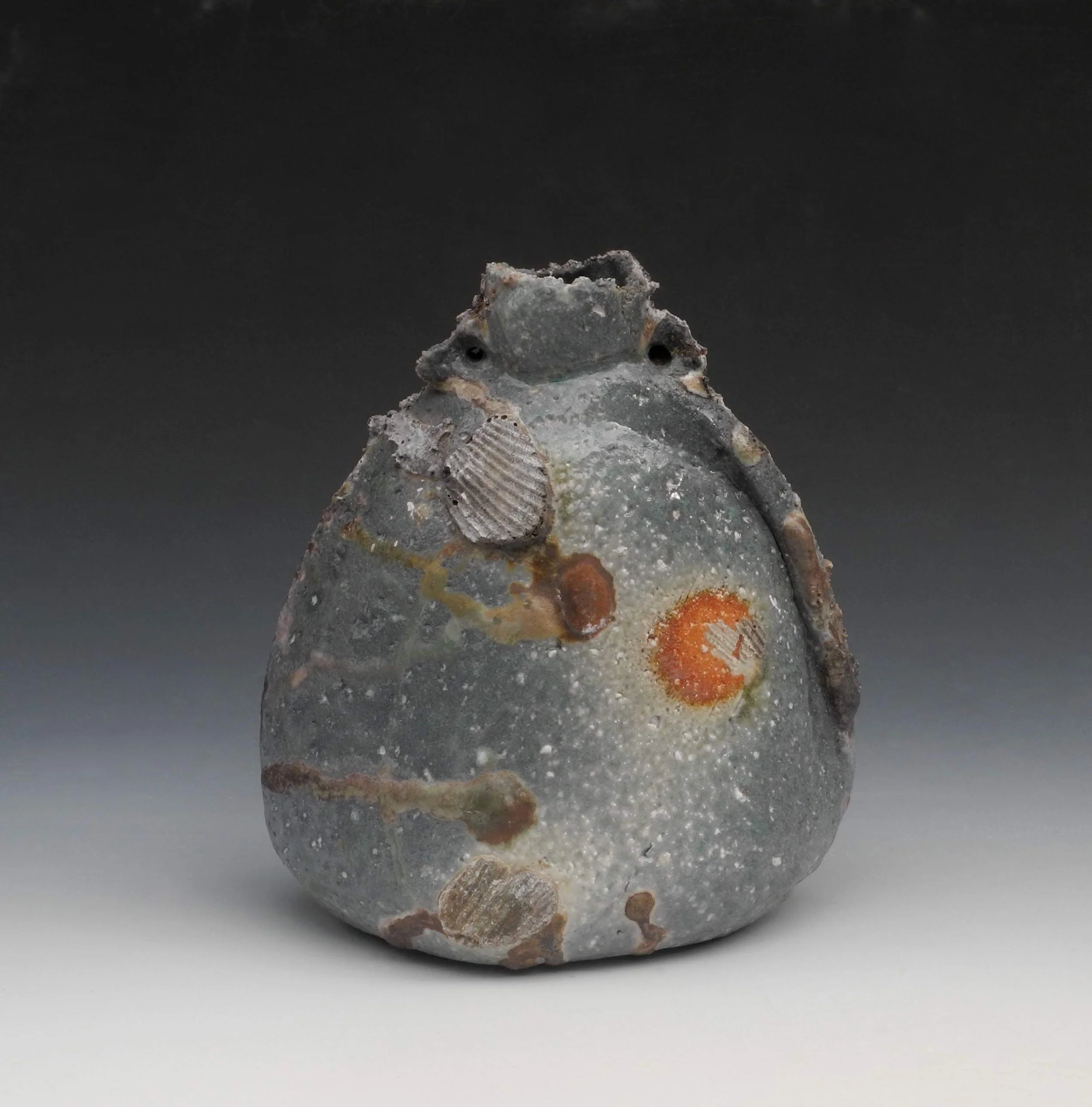
 Image 1 of 5
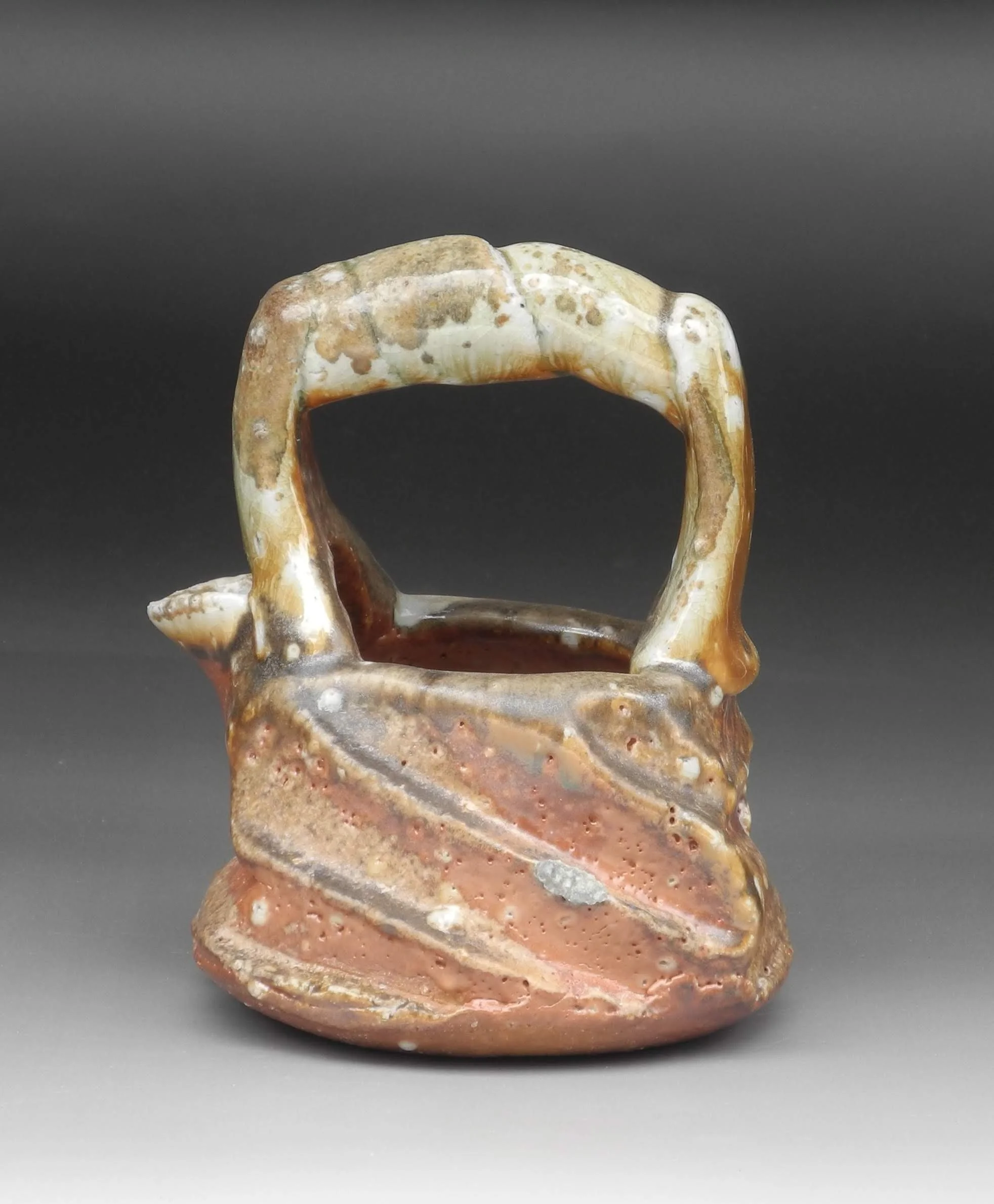 Image 2 of 5
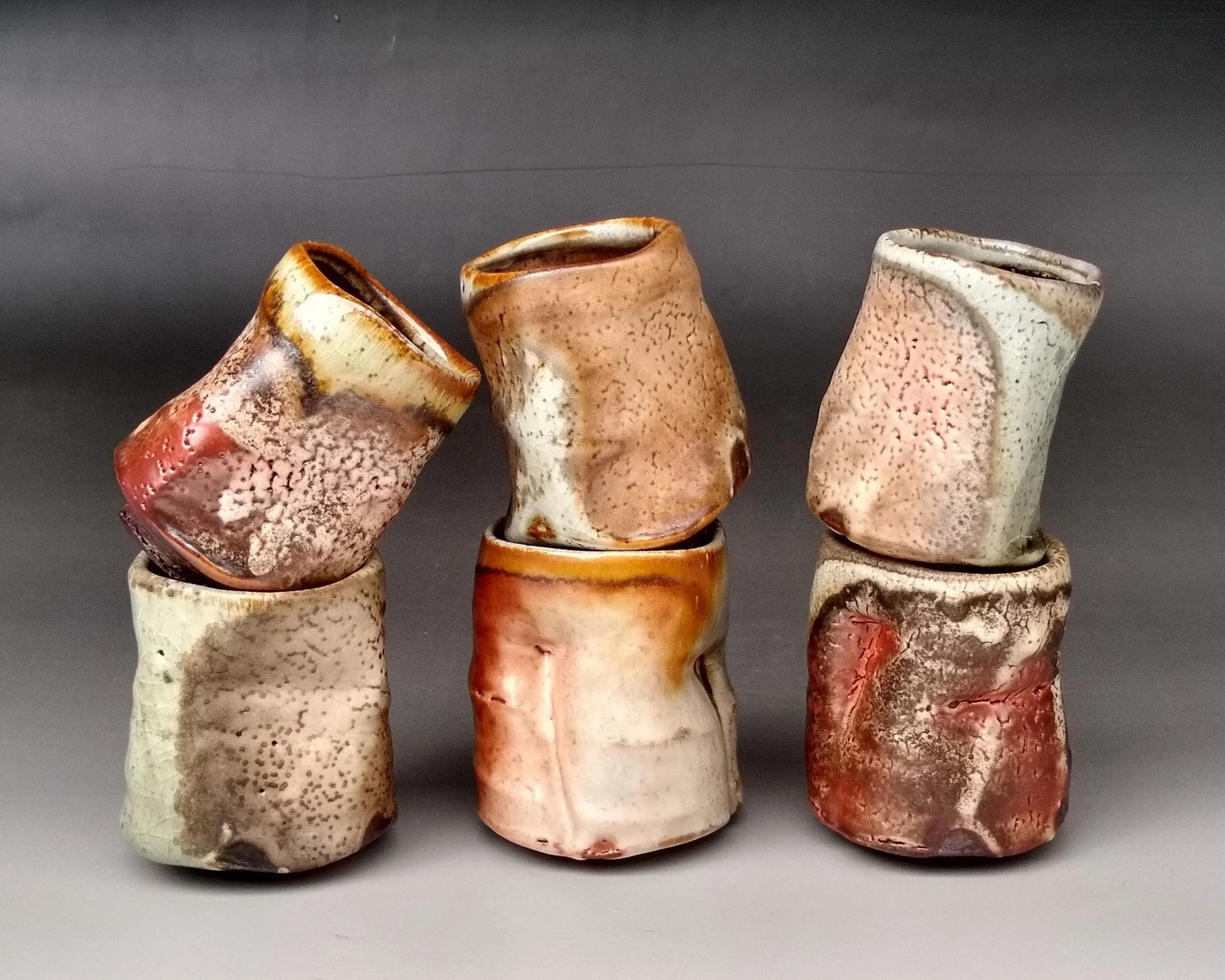 Image 3 of 5
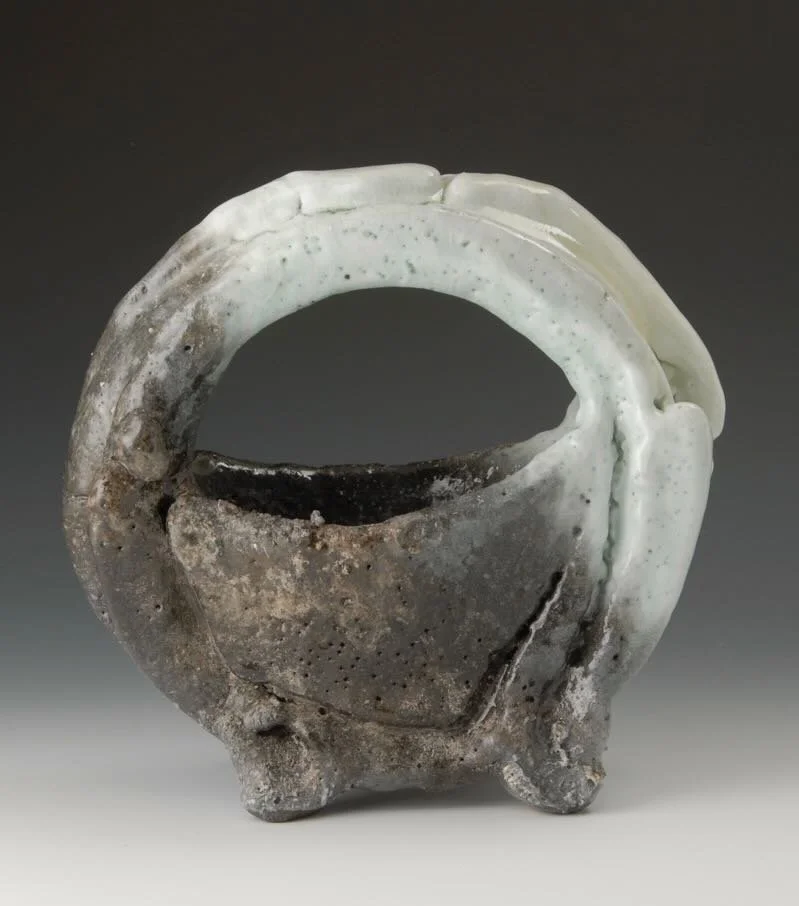 Image 4 of 5
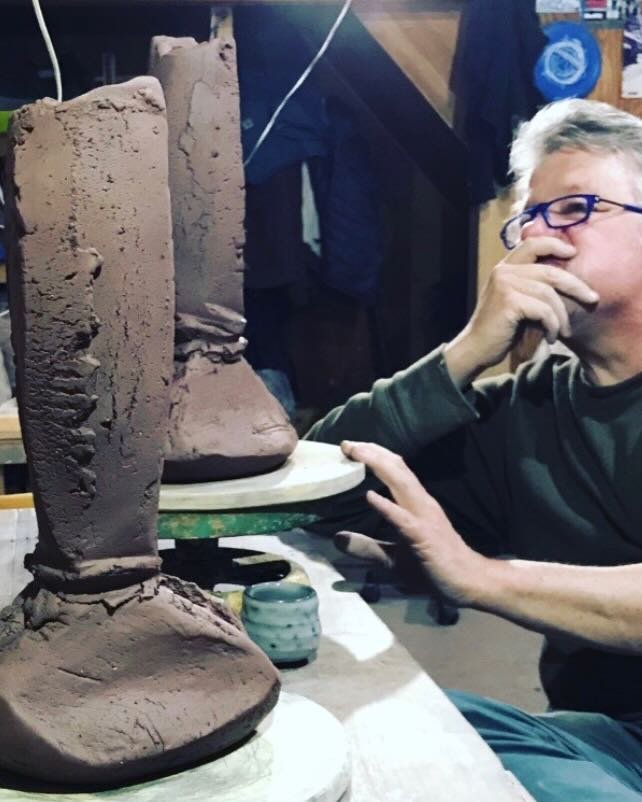 Image 5 of 5
Date: August 15 - 17 (unloading August 20)
Times: 9:30 am - 5pm w/ 1 hr lunch
Level: Intermediate/ Advanced
Membership Price: $1,050 (Members can use code MEMBERS10 upon checkout to receive 10% off)
Please note: The schedule is subject to adjustments depending on the firing process and kiln temperature. Students must wear full sleeve cotton shirts and closed toe shoes during the class.
Workshop Description:
In this hands-on firing workshop, students will get the chance to load and fire both the wood-fired train kiln and the wood-fired soda kiln. Students will learn stacking strategies to account for flame flow and ash accumulation. Students will also be required to take stoking shifts throughout the 48 hour cycle.
On day one we will load the train and light it in the evening. While it’s heating up, on day 2 the soda kiln will get loaded and lit. Both will fire off sometime in the evening of the 3rd night. Bring bisque ware of cone 10+ clay.
Workshop general schedule & firing hours:
The workshop will begin on Saturday, August 15th at 9:30 AM, with the kiln loading process. In the evening we will light the kiln. Participants will work in shifts to ensure continuous, 24-hour monitoring of the firing. The kiln will be fired from Sunday, August 16th through the morning of Monday, August 17th, with various shifts assigned to the participants throughout these days.
Unloading will take place on Thursday, August 20th, with the start time depending on the temperature of the kiln. The unloading and cleanup process will take approximately three hours or less.
Please note that the schedule is subject to adjustments depending on the firing process and kiln temperature.
About the Instructor:
John Dix has spent the last 25 of his 35 years with clay primarily in Japan. This has led to works that show a strong Japanese influence but still retain elements of his early
training in the West. “The word that best describes my approach to clay is Serendipity. I’ll have a starting point without a clear destination, a familiar path (constructing a teapot , a sake bottle, etc) which I always give myself permission to diverge from. This freedom brings freshness to the work and has sustained me over the years.” ”Firing with wood takes the idea of ‘serendipity’ to a higher level. I don’t know of any other art form where chance plays such a pivotal role.”
In 1995, the day before the Kobe Earthquake, John met David Jack and Sachiko Matsunaga. They were starting a rural studies foundation in the area of Japan called Tamba, an ancient pottery region. With their support John was able to build an anagram kiln. The place has developed into Fieldwork Japan with facilities for people to come and experience rural Japan through pottery. While John works as an independent potter, he also encourages people from all walks of life to join him at Fieldwork.
Loading the kiln with glazed and unglazed pots takes 5 days. Over the course of the one-week firing copious amounts of ash are produced, giving each piece its own unique character. "It is physically and mentally draining. Years and years went by before I even started to understand what was happening in the kiln."
John still defers to the gods of chance, but in fact at this point he has succeeded in wresting control of the process and mastering all aspects of his firing. John regularly exhibits at galleries and department stores in Tokyo, Kansai (Osaka/Kyoto/Kobe) and also in the U.S.A.
Required Materials:
Cone 10 bisqued works to fire
Firing gloves
Students must wear full sleeve cotton shirts and closed toe shoes during the class.