

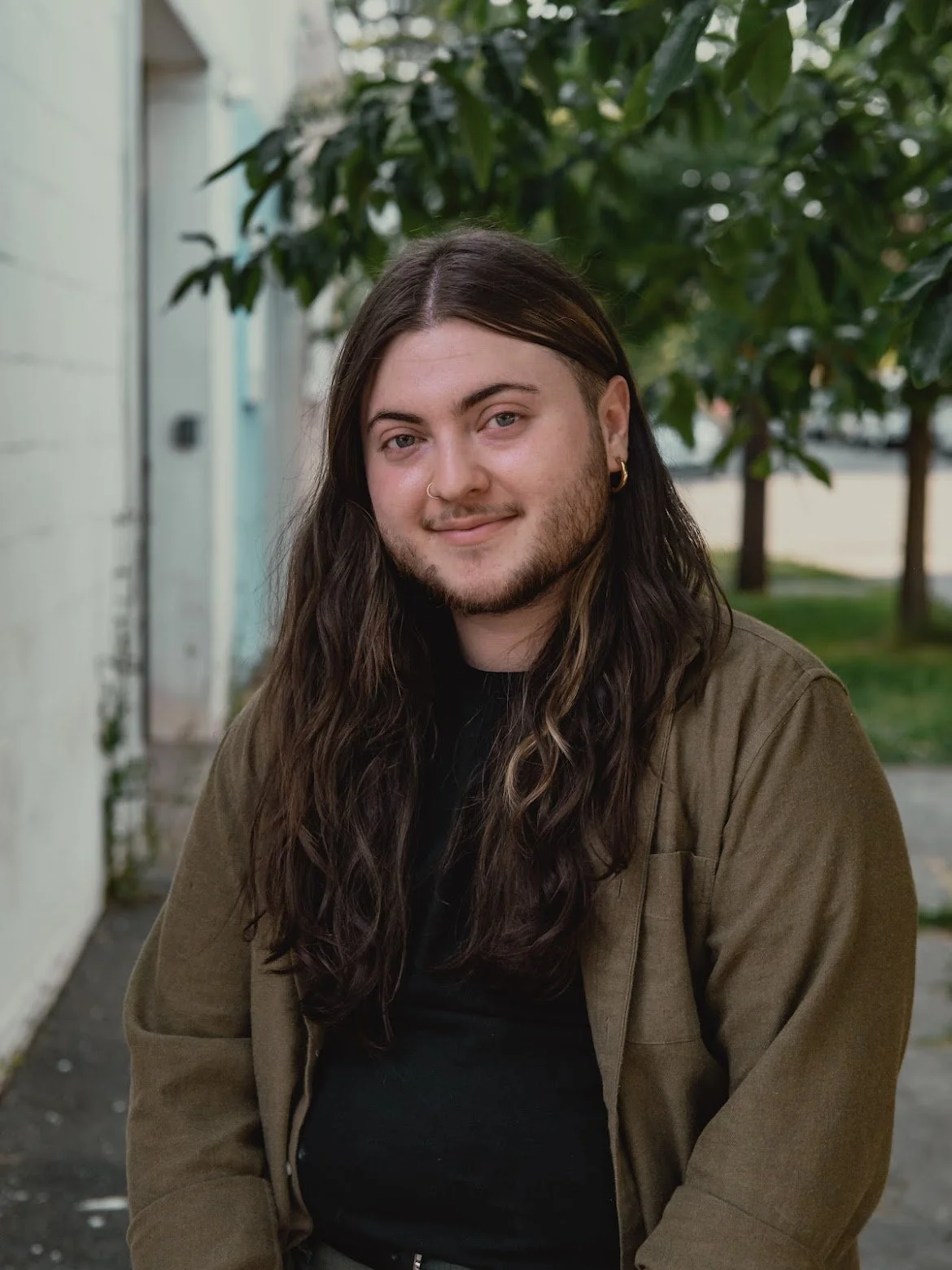
Iphis Vernal Aire
Iphis Aire (he/they) is a ceramic artist based in Seattle, Washington, working on the unceded ancestral lands of the Duwamish people. His practice uses handbuilding and wheel-throwing to explore transformation, time, and material memory, drawing inspiration from geological formations, environmental change, and the evolving body. Clay and fire serve as both medium and metaphor, recording touch, pressure, and impermanence.
Originally from Spokane, Washington, Iphis grew up as the youngest of five in a rigid religious household, where art became an early refuge. He studied at The Evergreen State College, where discovering ceramics and wood firing shaped his artistic language and provided a framework for navigating personal transformation. These experiences continue to inform a practice grounded in process, endurance, and change.
After founding Soot Studios in Denver, Colorado, Iphis returned to Washington in 2023, where he works as a studio technician and teacher, a fabricator for public art installations and maintains his studio practice. His current work extends beyond object-making to consider ceramics as a site for care, exchange, and community. Over his stay in Mendocino he’s developing ceramic wares, using forms and surfaces informed by the surrounding landscape, where food, conversation, and written responses become integral to the work and remain as artifacts of shared experience.
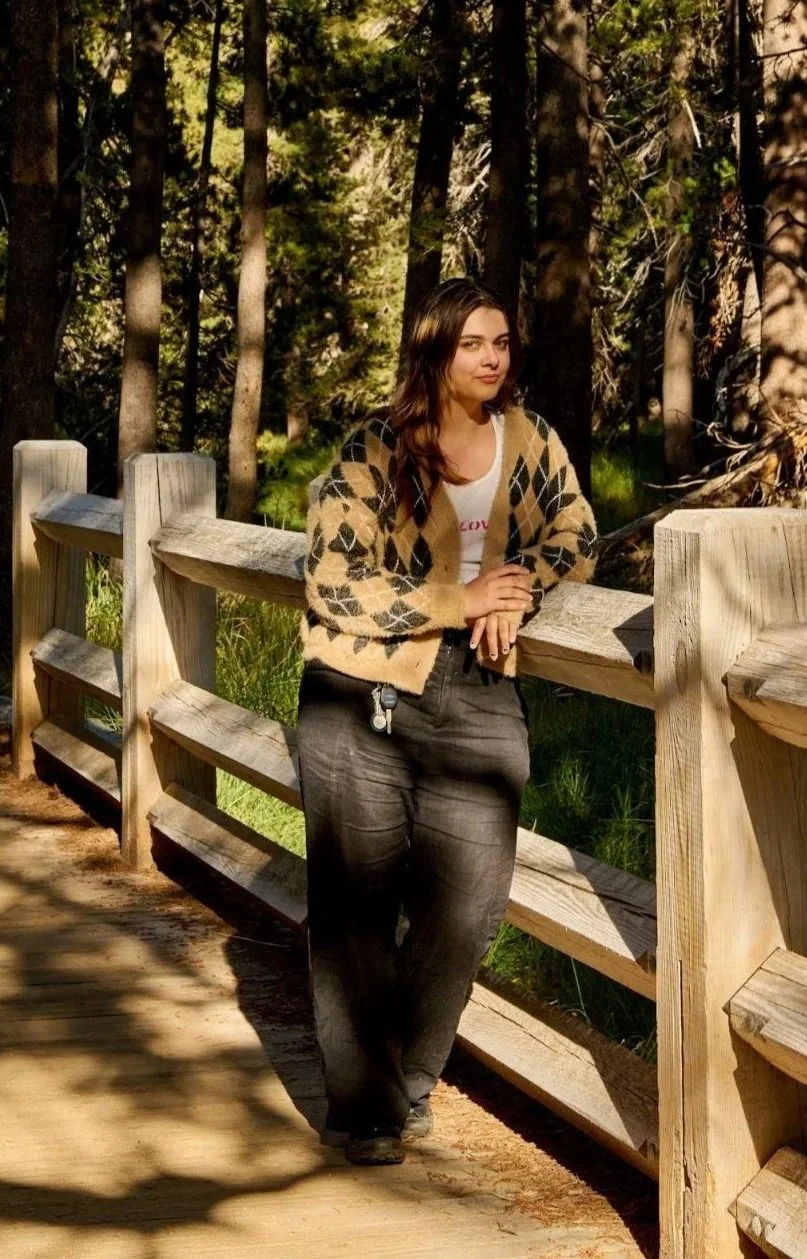
Devin Hernandez-Horne is a mixed race Mexican-American artist raised in California’s Central Valley, a landscape shaped by agriculture, heat, and rich histories of labor and migration. Growing up in a culturally diverse yet often isolated environment, Devin became attuned to how places hold memories.
Their practice spans ceramics, textiles, and digital illustration, unified by storytelling, material sensitivity, and the presence of the human hand. While working with tactile materials like clay and cloth, they highlight and encourage the presence of the artist with each mark or smudge. Devin also brings a gestural, expressive quality to digital illustration, carrying the same emotional grounding and gestural linework.
Living abroad in Japan and Australia gave Devin perspective on their own origins, deepening reflections on the Central Valley’s contradictions, erasures, and resilience. Much of their work is an act of returning physically and emotionally to the places that shaped them, tracing both ancestral histories and the experiences of those who came before.
Devin holds a BFA from Art Center College of Design, and their illustration work has been featured by the Los Angeles Times and the National Park Service. Whether with hands or stylus, Devin creates art that builds bridges between past and present, memory and place.
Devin Hernandez-Horne
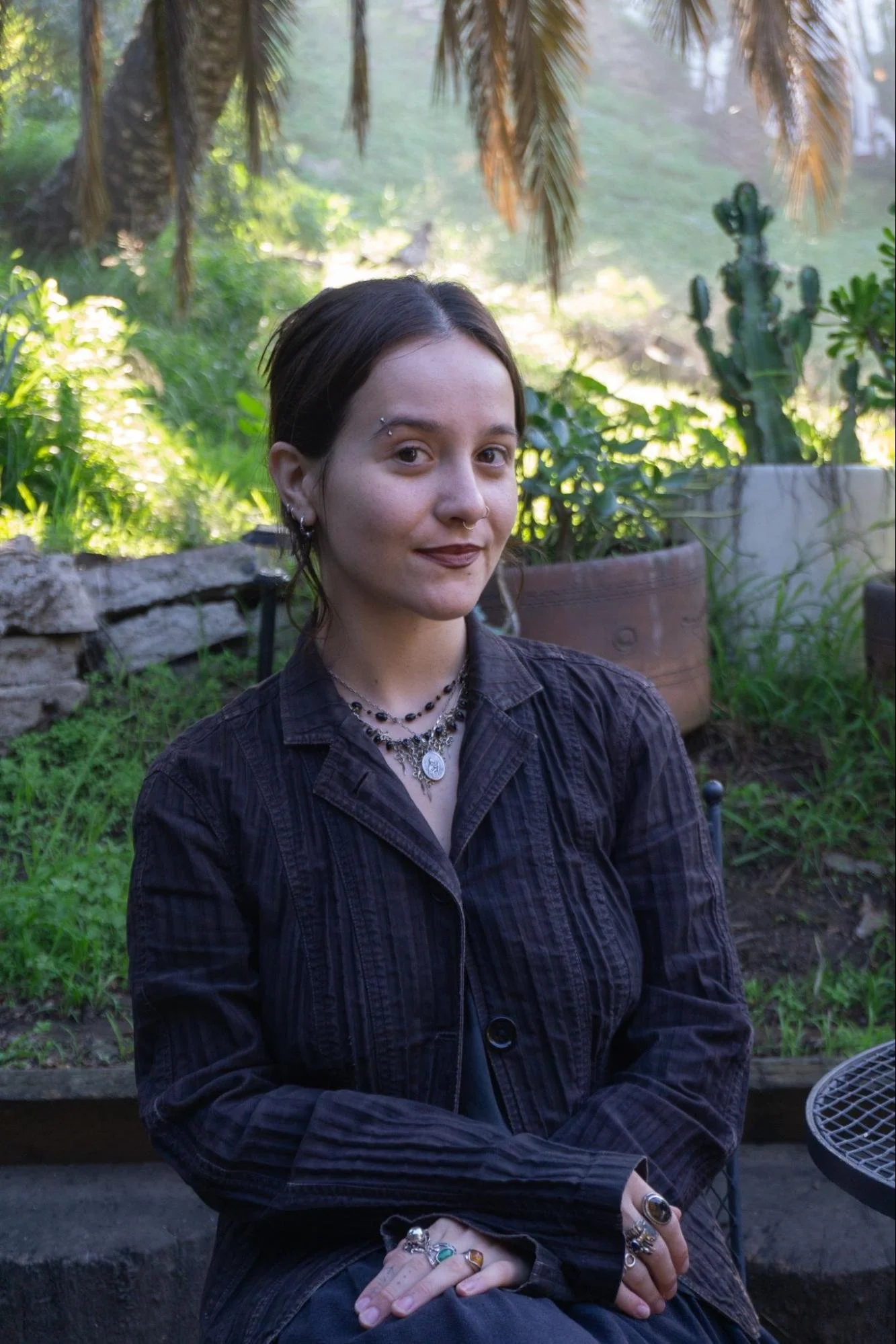
Isabel Riedling:

Isabel Lucille Riedling (b. Los Angeles, CA) is a multidisciplinary artist whose practice examines the intertwined relationships between ecology, ontology, and the cosmological.
Working across ceramic sculpture, photography, and site specific installations, her work engages with mysticism, land, and symbolic systems to create vessels that act as relics, devotional sites, and fantastical entities.
Isabel holds a BFA from the California Institute of the Arts. She is currently based in Los Angeles, working as a freelance artist and staff member at The Museum of Jurassic Technology.
Website: https://isabellucilleriedling.cargo.site.
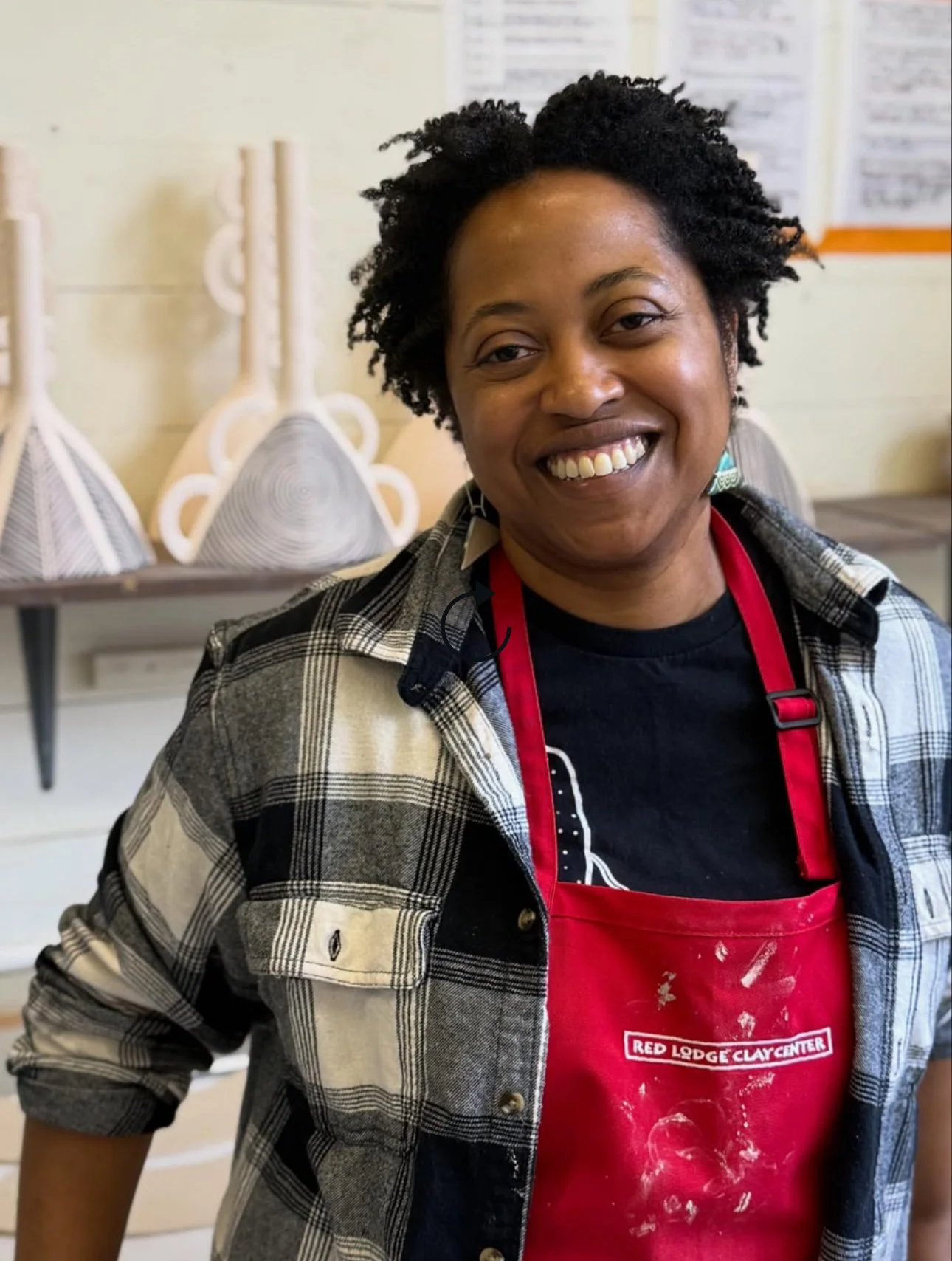
Stefani Threet is a ceramic artist, mentor, and community organizer based in West Philadelphia. She is the founder of Ceramic Concept, the city’s first Black woman-owned ceramic gallery, which from its opening in November 2020 became a vital hub showcasing over 200 artists primarily artists of color, women, and local creatives while fostering workshops, mentorship, and community dialogue.
Stefani’s work explores themes of cultural identity, femininity, utility, and connection through atmospheric firing techniques such as soda, wood firing, and electric kiln processes. After stepping away from gallery operations in 2025 due to funding cuts, she has refocused on her personal studio practice, exhibiting new work at prominent venues including NCECA, and continuing to support emerging artists through mentorship and collaborative residencies.
A graduate of Alfred University’s renowned ceramics program, Stefani has over 15 years of experience as an art educator and ceramic arts instructor. Prior to dedicating herself full-time to her studio practice, she served as a program manager for Philadelphia’s Mural Arts Program, a role that upon its conclusion, catalyzed her transition into a full-time pottery career and the launch of her own line, originally Threet Ceramics, now known as Stefani Threet Ceramics. Her work is sold online and through museum shops, galleries, and gift shops nationwide.
Stefani is a seasoned artist-in-residence, having participated in numerous residencies and work exchanges at ceramic institutions across the country. She also spends several months each year in Oaxaca, Mexico, where she draws inspiration and expands her artistic practice during working vacations.
Stefani Threet
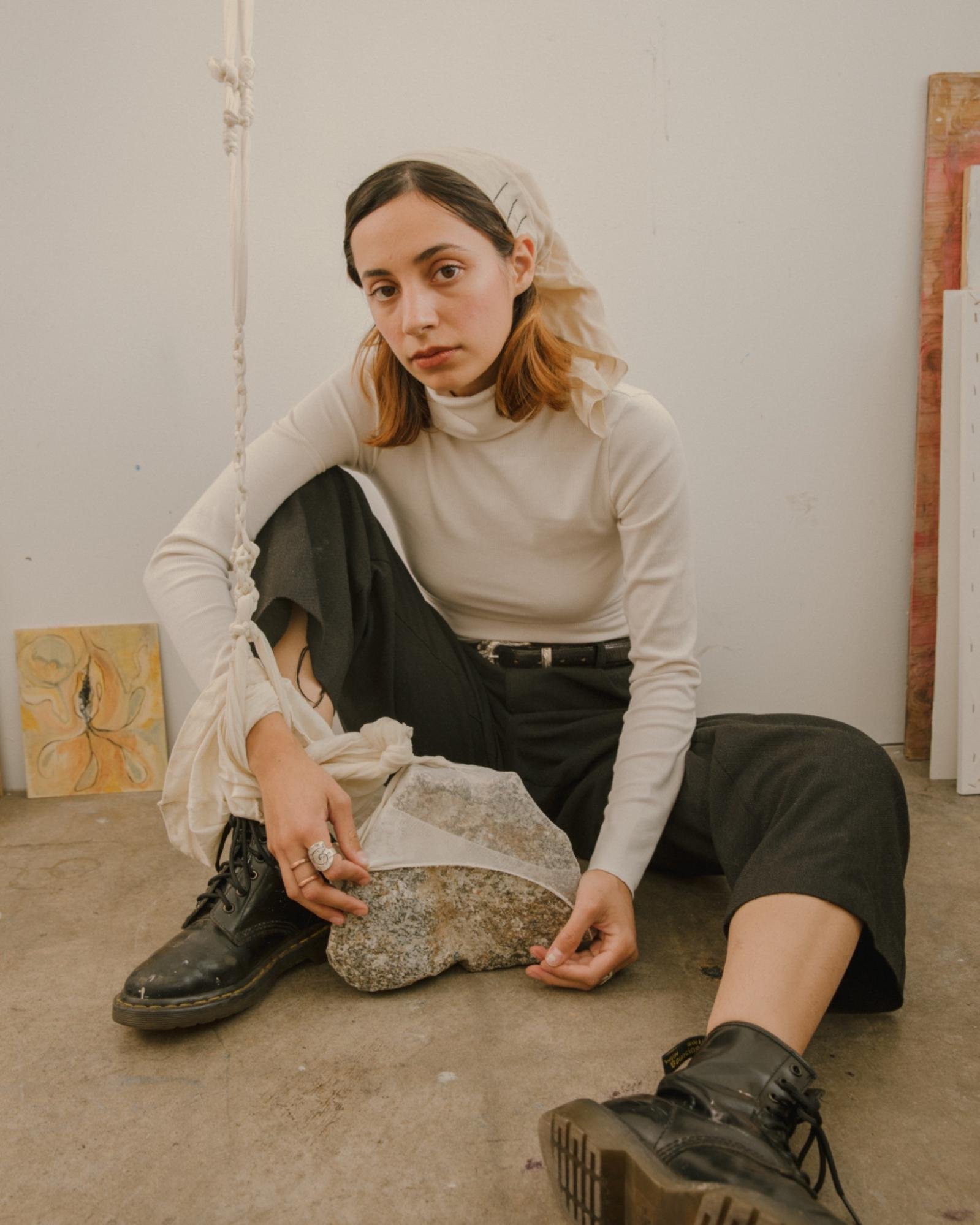
Irma Yuliana Barbosa
Irma Yuliana Barbosa (Yuli) they/them is an interdisciplinary artist based in the Bay area and LA—working across mixed media installation, painting, drawing, sculpture, film, and photography. Their practice centers in the entanglements between ecology, ancient preservation technologies, spirituality, and erotics of grief. Barbosa holds an MFA from UC Berkeley (2023) and a BA from UC Santa Cruz (2019).
They were awarded the Eisner Prize for their film Eclipse, created in collaboration with their sister Celeste Barbosa, and received the Cadogan Award in 2022. Their work has been exhibited at Personal Space Gallery, SOMArts, BAMPFA, and Felix Kulpa Gallery in Santa Cruz.
Website: irmayulianabarbosa.com
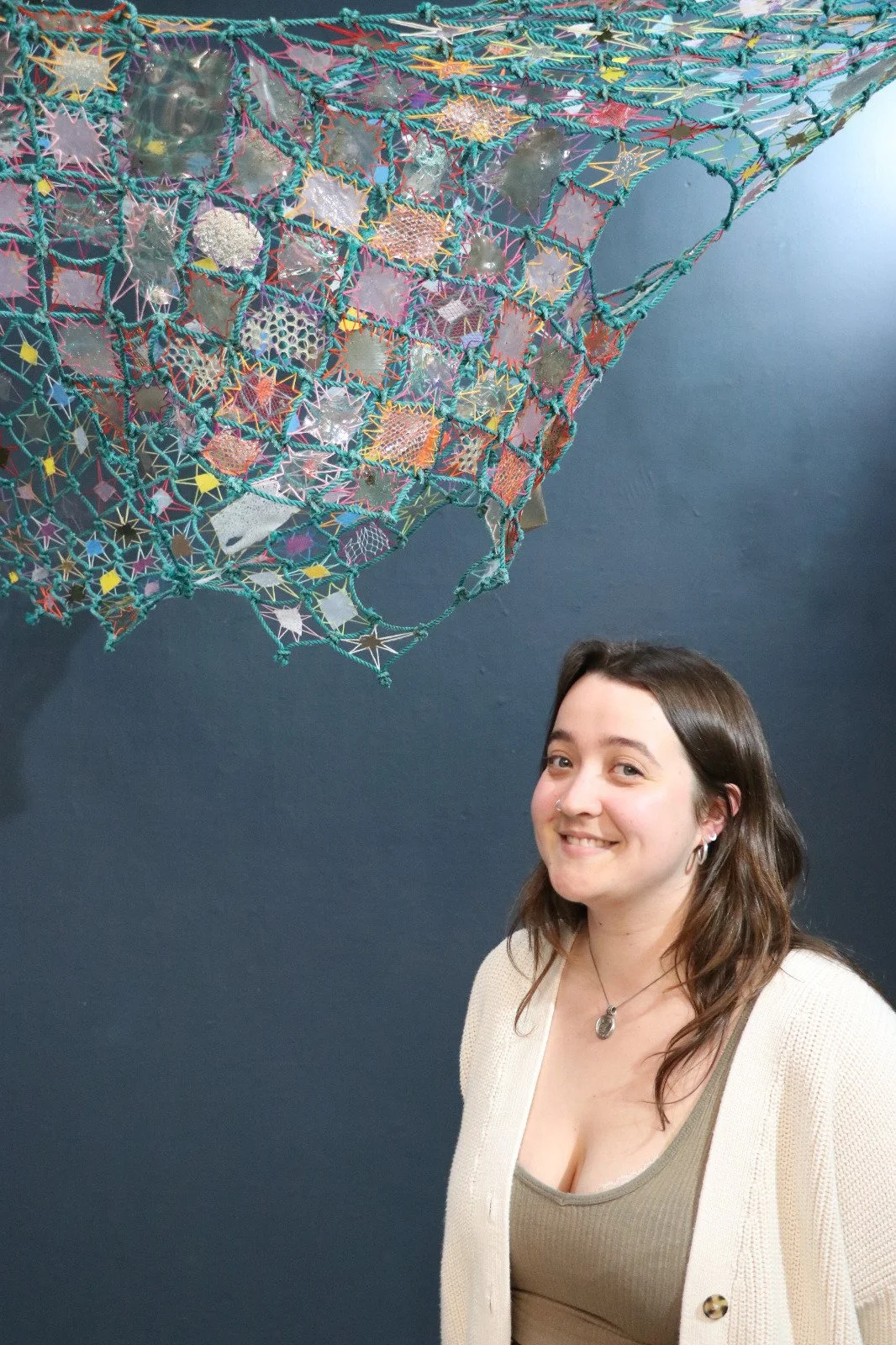
Noelle Foden-Vencil Philbrick
Noelle earned her BFA in Textiles from Skidmore College in 2018, and her MFA in Art & Ecology from the University of Galway in 2025. Her artistic practice investigates the relationship between humanity, materiality, and the environment, questioning Western concepts of nature and waste. She explores how discarded materials, particularly plastics, possess potential, agency, and a form of kinship that can guide us toward more ecologically considerate futures. Drawing on Indigenous perspectives such as Max Liboiron’s framing of plastic as “kin,” Noelle approaches these materials not as inert matter, but as active participants in living ecosystems that continue far beyond their initial use.
Plastics, for Noelle, exemplify these entanglements. Their origins in fossilized ancient organisms and their ubiquitous presence in daily life expose a deep contradiction in how capitalist systems value materials. The contrast between biodegradable food and the near-eternal plastic packaging that surrounds it remains central to her inquiry. Through craft, mending, and material experimentation, she seeks to “re-enchant” plastic waste by acknowledging its deep-time origins while addressing its environmental and social consequences. In transforming discarded materials into sculptural and installation-based works, she invites viewers to encounter these objects not as refuse, but as materials with stories, agency, and futures.
Her practice is grounded in community engagement. She often works with locally sourced waste streams, such as agricultural feed bags and fishing nets, and combines them with foraged organic matter or experimental bioplastics. Rather than obscuring the material’s identity, she preserves recognizable textures and forms, encouraging viewers to recognize the familiar and reconsider their assumptions. Through workshops and participatory projects, she collaborates with communities to imagine new relationships of care, responsibility, and stewardship with waste.
Ultimately, her work advocates for a shift from passive consumption to an ethic of care and kinship with the more-than-human world. By bridging art, craft, and ecological inquiry, she challenges dominant narratives about value and disposability. Her practice aims to inspire renewed curiosity, responsibility, and ecological imagination, pointing toward futures shaped by reciprocity rather than extraction.
Website: https://noelle-makes.com/